What are superfoods?
What puts the “super” into superfoods?
The expression “superfood” has been used for many years now, but what does it actually mean? And do these foods provide the answer to your nutritional goals, or is it all just hype?
Well, the reason these foods are referred to as being “super” is because they tend to be a rich source of vitamins and/or other nutrients (such as antioxidants and carotenoids), all of which play a vital role in keeping you healthy. Alternatively, they have a health-promoting characteristic that is not found in other foods of a similar type.
Many are known to contain elevated levels of lutein and vitamin C. They can also be rich in enzymes, proteins, minerals, and a range of phyto-nutrients.
Acai berries
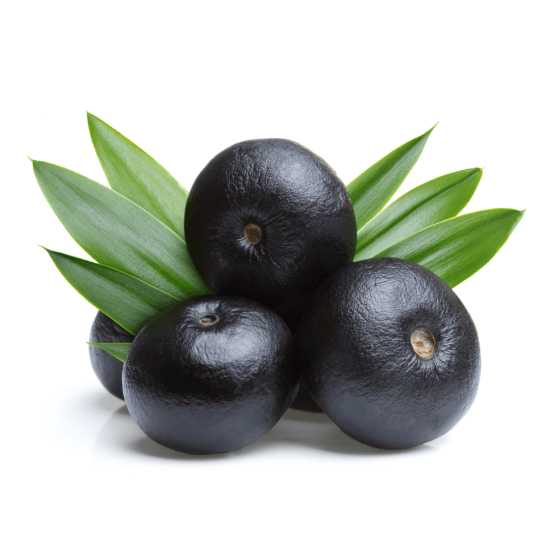
A great example of a food often classed as a superfruit is the acai berrry.
These berries are known to contain among the highest levels of antioxidants of any fruit. They also contain high levels of vitamin A, beta carotene, vitamin C, vitamin B6, vitamin E and a lot more.
You can incorporate these exotic fruits into your daily diet by purchasing the powder, or by looking for a high quality acai berry supplement – ideally with Brazilian freeze-dried acai berry powder and extract for extra oomph!
Turmeric
Not just limited to the world of fruits, turmeric is another superfood that is known to provide various health benefits. This time a colourful root, turmeric contains high levels of curcumin – the active ingredient most often cited as the reason for its superfood title.
Add it into your diet regularly in whole food form, but for a greater concentration and therefore effect, try a supplement that contains at least 95% curcumin from turmeric extract.
Other colourful fruit and vegetables
And there are so many more examples of superfoods and superfruits.
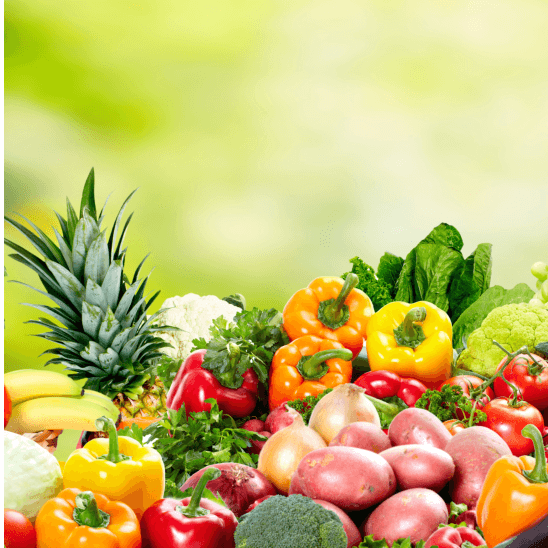
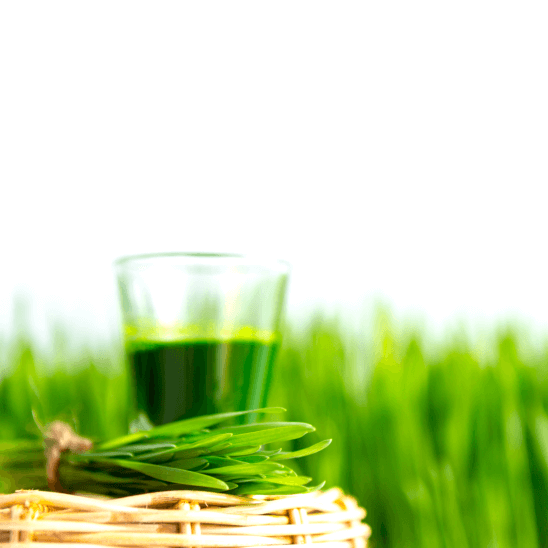
Look for highly pigmented fruit, vegetables and other plant-based foods (such as wheatgrass), naturally rich in antioxidants, vitamins, minerals, enzymes and chlorophyll.
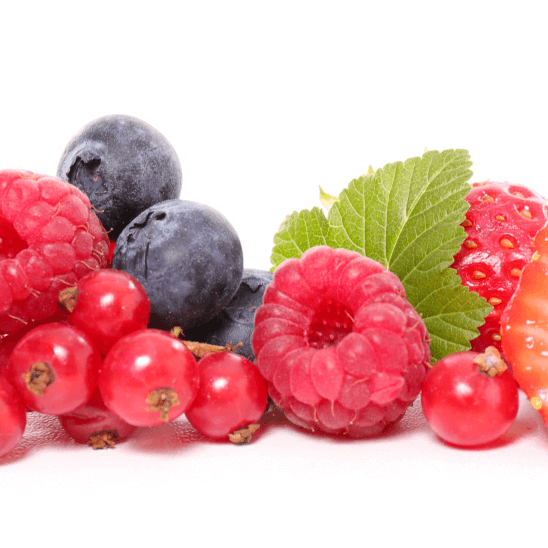
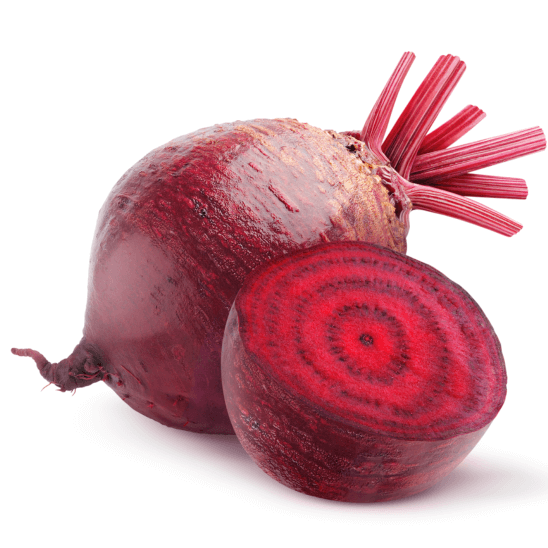
Blueberries, cherries and beetroot are just a few others.
These are all readily available in supermarkets or delis. The only downside of accessing their nutrients in whole food form is the concentration and the diminished levels of nutrients as a result of, for example, long-term storage and refrigeration. If you want to be sure of the level and quality of nutrients you are accessing, it is better to opt for health food supplements, where concentrated extracts and freeze-dried powders are used.
And, ideally, choose organic supplements for maximum benefit.
For more information, visit our main website